


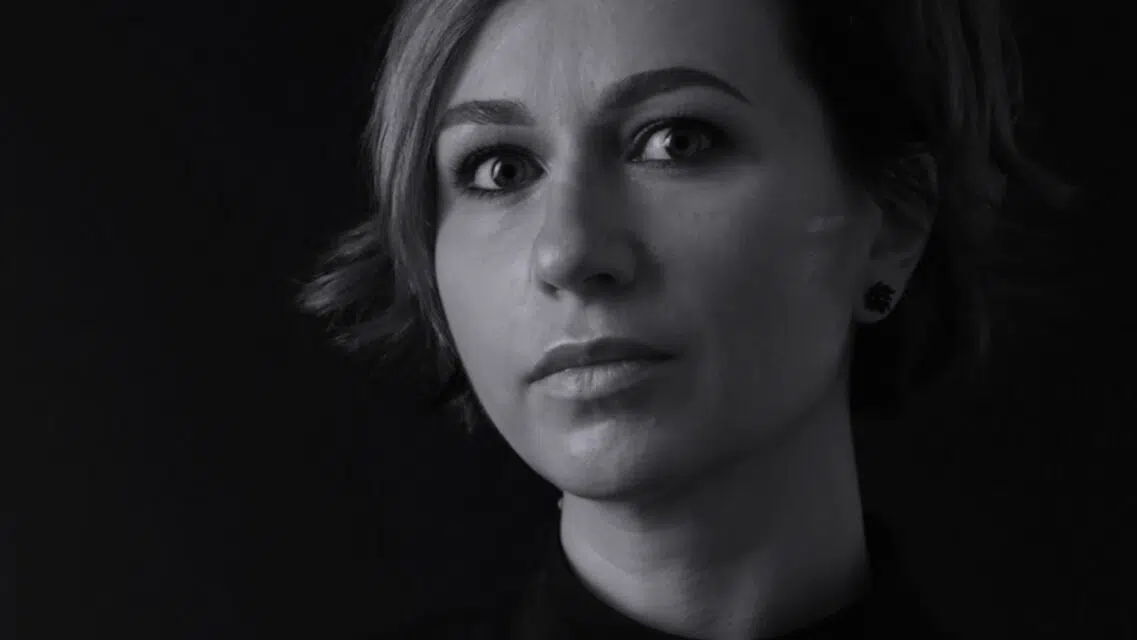
Броени дни са преди края на октомври, ден преди голямо събитие. Насред целия стрес, който се върти около мен, реших — напук на всичко — да организирам интервю със Стела Петкова. „Какво правя?“ мисля си. „Ден преди събитие, наистина ли имам време за това?“
Срещаме се в „The Steps“ в София. Още в първите минути, след като седнахме, осъзнавам: че точно от това имах нужда днес. Прозорец към блестящ разговор; пауза, която не изглежда като губене на време, а като глътка въздух.
Често разравям интернет в търсене на величие — дизайн, който ме учи на нещо ново, работа, създадена с намерение и мисъл. Така попаднах на Стела. Нейните уебсайтове имаха нещо специално: яснота без хладнина, простота с душа. Представете си изненадата ми, когато забелязах малък детайл — превключвател за език и софийска часова зона Чакай малко. Тази дизайнерка е българка?
Коя е тя и как да се запозная с нея? Оттам пътят до този разговор беше три клика и едно съобщение: „Нека поговорим“.
В творческата работа съществува странен дуализъм — напрежението между уединението и принадлежността. Стела, дизайнер от София, чиито дигитални светове се празнуват тихо на няколко континента, живее именно в това напрежение. Нейният процес започва в тишина, зад сиянието на монитора, но това, което създава, свързва хиляди хора, които тя никога няма да срещне. „Творческият ми процес се случва в самота“, казва тя. „Тогава мога да навляза в на дълбоко. По-късно идва обратната връзка.“
Думата принадлежност се завръща често в гласа ѝ. За българските творци, които работят на глобално ниво, става въпрос за това да имаш истински хора близо до себе си, с които резонираш на една и съща честота. Стела ми разказва как години наред е работила с американски клиенти от апартамента си в София. Винаги е чувствала, че е сред хора, които разбират какво строи, които я виждат и чиито темпераменти са в синхрон — независимо от часовата зона. „През годините се чувствах сама — на границата на самотата“, признава тя. „Сега, когато отново имам колеги тук, усещането е за топлина, уют, за нещо човешко.“ Разликата, осъзнава тя, не е в това да бъдеш разбран чрез работата си — това винаги го е имало — тава въпрос за физическата близост, за топлината на истинското, близко човешко присъствие.
Разпознавам тази промяна. Дизайнът някога се случваше в студиа — Баухаус, швейцарските школи, агенциите на „Медисън Авеню“ — където идеите отскачаха от стените и масите, изцапани с кафе. После дойде интернет и изведнъж най-добрата работа можеше да се върши навсякъде. Спечелихме света, но загубихме стаята. “Години наред се движех между континенти, работейки постоянно, но рядко с някого в същата часова зона. Екраните ни свързаха с милиони, но ни разединиха от човека до нас.“
Когато описва как е започнала, няма подредена история за произхода. Планът е бил архитектура — рисуването е нейният свят от детството — но математиката слага край на тази мечта. „Започнах да работя още в първи курс в университета“, спомня си тя. „Научих всичко чрез практика. Никога не се дипломирах. Все още имам три оставащи изпита.“ Тя се смее на този детайл, не извинително, а като на доказателство за практичност. Дизайнът, открива тя, ѝ предлага нещо, което архитектурата никога не би могла: свободата да работи със света.
Светът, разбира се, може да бъде самотно място. Тя се оказва в странната позиция да си сътрудничи с екипи на хиляди километри, докато не чува стъпки пред вратата си. Това е познат парадокс за съвременните творци: глобален обхват, локална изолация. И все пак в това пространство тя научава нещо за психологията на работата. „Живеем в допаминово общество“, казва тя, „но принадлежността — това е серотонин. Тя е древна.“ Тя е права. Допаминът ни кара да търсим; серотонинът ни казва, че сме пристигнали.
Когато говори за дизайн, изолацията изчезва. Тонът ѝ се изостря; идеите се подреждат като чисти линии върху мрежа. „Дизайнът не е изкуство“, казва тя твърдо. „Той е продукт, който трябва да постига цели — маркетинг, аудитория, метрики. Обратната връзка, дори когато боли, е това, което те кара да се развиваш.“ Това е смирението на занаятчията, а не позата на артиста. Тя вярва в „позитивното триене“ — идеята, че малките съпротивления могат да направят преживяването по-богато. „Хората мислят, че триенето е лошо“, казва тя. „Но едно добро триене може да води потребителя. Като теорията за „подтикването“ (nudge theory) — тя ти помага да правиш по-добри избори.“
Позитивното триене е навсякъде, щом веднъж го забележите. Лекото съпротивление на добре проектирана дръжка на врата, което ти казва в коя посока да натиснеш. „Легналият полицай“, който те кара да намалиш, преди съзнателно да го решиш. В моята работа с поведенческата икономика и дизайна на политики съм наблюдавал как малки, целенасочени препятствия могат да насочат цели групи от хора към по-добри избори. Гениалността не е в премахването на всички бариери. Тя е в поставянето на правилните такива.
Нейното разбиране за триенето се простира отвъд дизайна. Тя се смее на манията по минимализма, която доминира в съвременната естетика. „Уморена съм от тази дума“, казва тя. „Минимализмът не е празнота — той е яснота. Но напоследък стана студен.“ Липсва ѝ топлината на несъвършенството, удоволствието от красотата, която не обслужва никаква функция. „Естетиката също има цел“, казва тя. „Тя прави живота по-лек.“ Описва уебсайтове, лишени от индивидуалност в името на използваемостта — иронията, че дизайнът, предназначен да служи на хората, е започнал да се усеща механичен. „Твърде студено е“, казва тя. „Липсват ми елементите, които карат нещо да се чувства живо.“
Възгледът ѝ за оригиналността е също толкова несантиментален. „Всеки заема идеи“, казва тя. „Ключът е да интерпретираш, а не да копираш. Вземаш това, което съществува, и го филтрираш през собствената си визия. Така еволюират тенденциите.“ Това е същият цикъл, който откриваме в музиката или архитектурата — вариацията, а не откривателството, движи културата напред. Тя не се чувства застрашена от гениалността на другите. „По-добрите дизайнери само ме вдъхновяват“, казва тя. „Никога завист. Само вдъхновение.“
Когато говорим за егото, тя отново се смее, този път по-тихо. „Дизайнерите сме хора с его“, признава тя. „Мислим си, че знаем по-добре от клиентите. Но не е така. Моментът, в който се отвориш за критика, е моментът, в който растеш.“ Спомня си ранна обратна връзка, която я е заболяла, но е останала в съзнанието ѝ. „Грешките, които предизвикват критика, са тези, които те учат на най-много.“ Обратната връзка, дори бруталната такава, е като вдигането на по-големи тежести във фитнеса — тя е това, което кара мускулите ти да растат.
Технологията за Стела не е враг. „Тя ми дава възможности“, казва тя просто. „Това, което ме ограничава, са бизнес изискванията.“ Все пак тя има резерви към дизайна, генериран от AI. „Изглежда евтино“, казва тя. „AI не мисли. Той имитира. Хората създават от намерение; AI просто осреднява. Човешката работа има дълбочина — душа.“ В тона ѝ няма страх, само яснота. Креативността за нея не е в новостта, а в смисъла. Машините могат да симулират форма, но не и цел.
Мисля за това често: какво ще отличава великите дизайнери от посредствените след десет години? Няма да са техническите умения — AI ще се справи с тях. Няма да е скоростта — AI е по-бърз. Ще бъде това, което Стела току-що описа: намерението, смисълът, способността да създаваш работа, която се усеща като човешка в море от статистически средни стойности. Бъдещето се разклонява: масово произведен AI дизайн за базови нужди и занаятчийски човешки дизайн за всичко, което наистина има значение. Въпросът пред българските творци — пред всички творци — е коя страна на тази разделителна линия ще заемат.
Говорим за титли — арт директор, креативен директор, дизайнер — и тя ги отмахва с развеселена точност. „Арт директорът остава близо до занаята. Креативният директор вижда голямата картина. Аз обичам да оставам близо до самата работа.“ След това, почти на себе си, добавя: „Но може би някой ден ще се насоча към творческо лидерство. Имам нужда от нови предизвикателства. Спреш ли да учиш, спираш да живееш.“ Изречението остава да виси във въздуха, честно и непринудено.
Преди да се разделим, питам от какво все още има нужда българската творческа общност. Тя мисли дълго. „Да мислим по-мащабно“, казва накрая. „Твърде много хора остават затворени в локалната среда. Трябва да разбират бизнеса, а не само красотата. Дизайнът не е правене на красиви картинки — той е създаване на стойност.“
Два дни по-късно пристига съобщение. Размишлявала е над нашия разговор. „Има и трето нещо“, пише тя. „Българските творци трябва да се научат да следват правила.“
Тя обяснява: В България израстваме, учейки се как да избягваме правилата, без да ни хванат. Когато погледнеш работата на български артисти, които не трябва да следват строги правила — илюстратори, бижутери, керамици — тяхната работа е фантастична. Но сравни това с творците, работещи в среди, където правилата са неизбежни, например когато правиш уебсайтове или приложения — там изоставаме. Не знаем какво да правим с тях.
Това е остро наблюдение за разликата между изкуство и дизайн, между свобода и дисциплина. Най-добрата българска работа, казва тя, идва от пространства, където въображението се движи свободно. Борбата започва, когато креативността трябва да служи на системи, потребители, бизнеси — когато трябва да оперира в рамките на ограничение.
Докато тя говори, се сещам за неочакваните инженери и артисти, които спомена по-рано — българи, проектиращи космически кораби, изграждащи програми за Марс, заемащи лидерски позиции в SpaceX, и въпреки това рядко познати у дома. Може би те са успели не въпреки правилата, а заради тях — защото изследването на космоса изисква креативността да оперира в най-строгите възможни граници.
Творческата работа, в крайна сметка, изглежда осцилира между тези два полюса — самота и принадлежност, свобода и ограничение, изолация и признание. Стела живее в това пространство комфортно сега. Някъде между екраните, зад които работи, и глобалните клиенти, на които служи; между правилата, които следва, и креативността, която защитава, тя е намерила равновесие. Тя не го нарича успех. Нарича го баланс. А балансът, знае тя, изисква граници.
Ако проявявате интерес да научите повече за Стела, нейната визия и работа, силно препоръчвам да посетите нейния дигитален дом: www.stellapetkova.com